


Berean Faith Today Eager to Learn and Discern Truth in Gods Word
A healthy faith does not panic when questions are asked. It welcomes truth, tests claims, and bows before the Word of God. That is why the Bereans still matter.
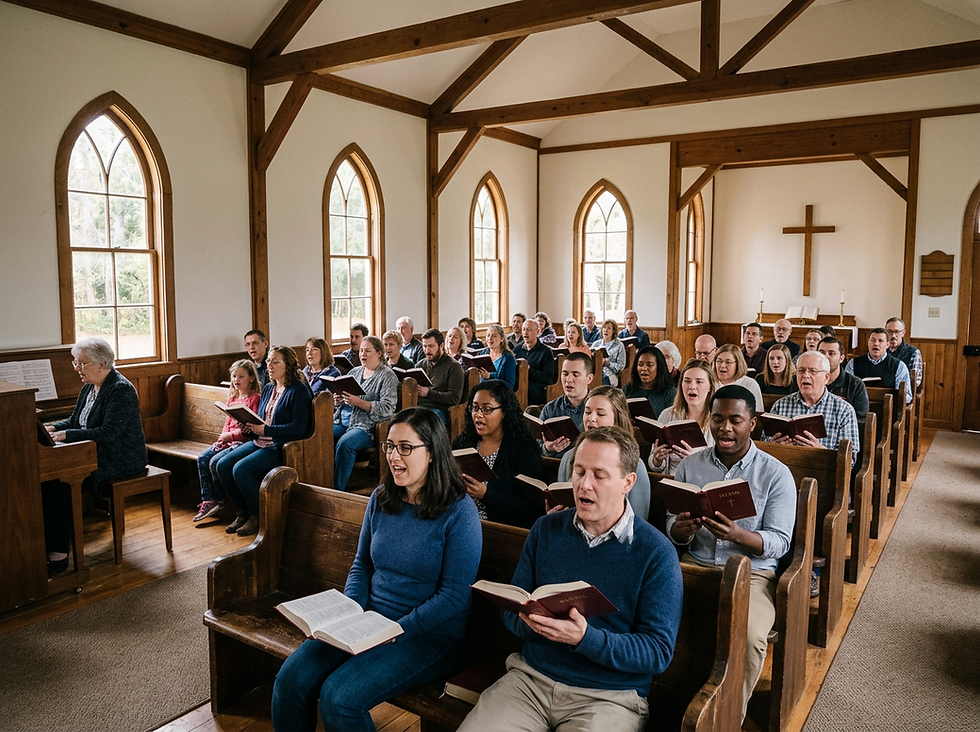
Acts 17:10-12 gives us a brief picture of a church-minded people with a strong spiritual instinct. Paul and Silas had been sent away from Thessalonica by night after opposition rose against them. When they arrived in Berea, they went into the Jewish synagogue. The people there listened with eagerness, but they did not simply accept every word because Paul was impressive. They searched the Scriptures daily to see whether his message was true.
That small detail gives modern believers a clear model. Receive the Word with joy. Test every teaching by Scripture. Believe what is true. Reject what is false.

The Bereans were eager without being gullible
The Bereans were not cold sceptics. Acts describes them as noble in character because they received the message with great eagerness. They were hungry to learn. They did not fold their arms and look for reasons to reject the gospel before hearing it.
That matters because discernment is often misunderstood. Some people think discernment means being suspicious of everything. Others think love means accepting everything. The Bereans show a better way.
They listened. They leaned in. They gave attention to the message about Christ. Their hearts were open, but their minds were awake.
That balance is rare and needed. A believer can be teachable without being naive. A Christian can honour pastors, teachers, writers, and leaders without treating them as final authorities. The Bereans respected the messenger, but they tested the message.
For modern believers, that means eagerness should look like this:
Bringing a Bible to what is being taught
Listening carefully before reacting
Asking whether the teaching fits the whole counsel of Scripture
Praying for humility before forming a conclusion
Refusing to confuse charisma with truth
A person may speak with passion and still be wrong. A message may sound spiritual and still twist the truth. The Bereans teach us not to reject learning, but to learn rightly.
They examined the Scriptures daily
The key action in Acts 17 is simple: the Bereans searched the Scriptures every day. They did not use the Bible as decoration. They used it as the standard.
Paul was not preaching a vague religious message. He was proclaiming Christ. The Bereans checked his claims against the Scriptures they had, seeking whether the promised Messiah had truly come, suffered, and risen. Their faith was not built on emotion alone. It was anchored in the written Word.
This is where Berean faith becomes deeply practical.
A sermon should be tested by Scripture. A prophecy should be tested by Scripture. A viral quote, a dream, a book, a podcast, a spiritual trend, and a personal impression should all be brought under Scripture.
If a teaching needs Scripture to be ignored, softened, twisted, or removed, it should not be trusted.
The Bible is not one voice among many. It is the measure by which every spiritual claim must be weighed. That does not mean every passage is easy, or that every believer will understand everything at once. It does mean God has not left His people defenceless.
The Bereans did not examine Scripture only when they were worried. They did it daily. That habit formed their discernment before deception arrived.

Critical thinking belongs inside faithful discipleship
Some believers fear that critical thinking weakens faith. The Bereans prove the opposite. They show that careful thinking can serve worship.
Critical thinking in faith is not prideful fault-finding. It is the disciplined act of asking faithful questions.
Does this teaching agree with Scripture?
Does it exalt Christ or centre human ego?
Does it produce repentance, holiness, love, and obedience?
Does it add burdens Jesus did not give?
Does it excuse sin while using religious language?
These questions are not signs of rebellion. They are signs of spiritual responsibility.
False teachers often depend on untested trust. They may use fear, flattery, emotional pressure, or selective Bible verses. They may promise power without repentance, blessing without obedience, or identity without surrender to Christ. Some lies arrive loudly. Others sound gentle and comforting. The enemy does not mind a religious vocabulary if the truth is removed.
That is why believers must compare every claim with the Word of God. If something contradicts Scripture, throw it out. If a teaching distorts the character of God, throw it out. If it denies Christ, excuses sin, feeds pride, or replaces grace with control, throw it out.
Discernment is not cruelty. It is protection. It guards the church, the home, and the heart.
Their response led to real faith
Acts 17:12 says many of the Bereans believed, including Greek women of high standing and Greek men. Their examination of Scripture did not lead them away from faith. It led many of them into faith.
That matters. The goal of discernment is not endless debate. The goal is obedience to truth.
The Bereans were willing to be persuaded. When the message aligned with Scripture, they did not stay distant. They believed. Their searching had a destination.
Modern believers can learn from that too. Some people use “discernment” as a shield against conviction. They test everything but never submit to anything. That is not Berean. The Bereans examined the message, then responded.
True discernment should make a person more faithful, not more cynical. It should deepen love for Christ, not create a habit of spiritual superiority. It should produce courage to reject lies and humility to receive correction.

Berean faith today starts with daily habits
Berean faith today is not complicated, but it does require discipline. It begins when Scripture becomes the first authority, not the last resort.
A believer can start with simple habits:
Read a passage of Scripture each day with attention
Ask what the text says before asking how it feels
Compare teachings with the broader message of the Bible
Learn in community with faithful believers
Pray for wisdom, courage, and humility
Reject teachings that contradict the gospel of Christ
This kind of faith is both warm and watchful. It is eager to learn, but unwilling to swallow lies. It honors teachers, but worships God alone. It listens carefully, checks carefully, and follows faithfully.
The church does not need more passive listeners. It needs believers who love the truth enough to open the Scriptures for themselves.

Hold fast to the Word
The Bereans remind us that truth is worth seeking. They received the message eagerly, examined the Scriptures daily, and believed when the Word confirmed what they heard.
That pattern still stands.
Listen with humility. Search with diligence. Think with clarity. Reject false teachers, false teachings, and the lies of the enemy when they fail the test of God’s Word. Hold fast to Christ, because every faithful reading of Scripture leads us to Him.

Comments